Revolutionising Water Quality Monitoring with IoT
Glyn CottonPublished
Discover how IoT technology is transforming the way we monitor water quality
The Impact of IoT on Water Quality Monitoring
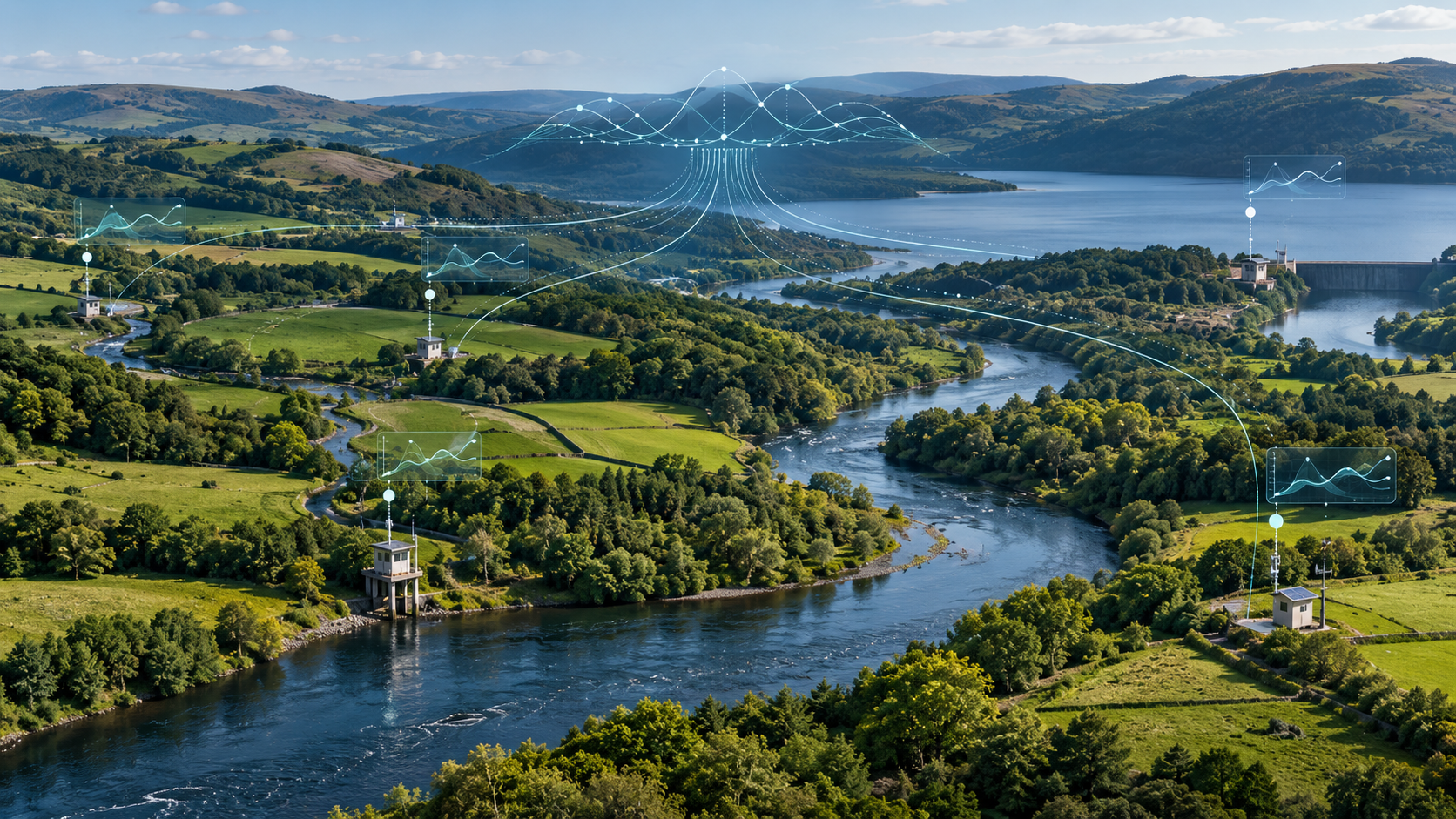
The Internet of Things (IoT) has revolutionized various industries, and the field of water quality monitoring is no exception. With IoT technology, monitoring water quality has become more efficient, accurate, and convenient. IoT devices, such as sensors and data loggers, can be deployed in different water sources, including rivers, lakes, and reservoirs, to continuously monitor various parameters that affect water quality. These parameters can include pH levels, temperature, dissolved oxygen, turbidity, and more.
By using IoT for water quality monitoring, environmental agencies, researchers, and water management organizations can obtain real-time data on water conditions. This data can be used to identify pollution sources, monitor the impact of human activities on water quality, and make informed decisions to protect water resources. The ability to monitor water quality in real-time allows for a proactive approach to water management and ensures the timely detection of any issues or anomalies.
Furthermore, IoT technology enables remote monitoring of water quality, reducing the need for manual sampling and analysis. This not only saves time and resources but also minimizes the risk of human error. With IoT devices, data can be collected automatically and transmitted to a central database or cloud platform for analysis. This allows for easy access to data from anywhere, at any time, and facilitates data-driven decision-making.
Overall, the impact of IoT on water quality monitoring is significant. It provides a more comprehensive and accurate understanding of water conditions, enhances the efficiency of monitoring processes, and enables proactive water management.
Benefits of Using a Smart Water Quality Monitoring System
Implementing a smart water quality monitoring system offers numerous benefits compared to traditional monitoring methods. Some of the key benefits include:
- Real-time monitoring: Smart water quality monitoring systems provide real-time data on water conditions, allowing for immediate response to any changes or issues.
- Cost-effective: IoT devices for water quality monitoring are often more cost-effective in the long run compared to manual sampling and laboratory analysis. They eliminate the need for frequent site visits and reduce labor and operational costs.
- Improved accuracy: IoT sensors and data loggers provide accurate and reliable measurements of water parameters, minimizing the risk of human error.
- Remote accessibility: With a smart monitoring system, data can be accessed remotely from any location with an internet connection. This enables efficient data analysis, reporting, and decision-making.
- Early detection of issues: By continuously monitoring water quality, smart systems can detect any abnormal changes or trends early on, allowing for prompt action to prevent further damage or contamination.
- Integration with other systems: Smart water quality monitoring systems can be integrated with other IoT devices and platforms, such as weather stations or water treatment systems, to provide a holistic view of water management.
These benefits make smart water quality monitoring systems a valuable tool for environmental agencies, water utilities, and researchers, enabling them to ensure the safety and sustainability of water resources.
Key Features of IoT Water Quality Sensors
IoT water quality sensors are designed to accurately measure various parameters that affect water quality. Some of the key features of these sensors include:
- Multi-parameter measurements: IoT sensors can measure multiple parameters simultaneously, including pH levels, temperature, dissolved oxygen, conductivity, turbidity, and more. This provides a comprehensive understanding of water conditions.
- Wireless connectivity: IoT sensors are equipped with wireless connectivity capabilities, allowing them to transmit data in real-time to a central database or cloud platform. This enables remote monitoring and easy access to data.
- Long battery life: IoT sensors are designed to have a long battery life, ensuring continuous monitoring without frequent battery replacements.
- Durability: Water quality sensors are often deployed in harsh environments, such as rivers or wastewater treatment plants. Therefore, they are built to be durable and resistant to water, chemicals, and other environmental factors.
- Easy installation and maintenance: IoT water quality sensors are designed for easy installation and maintenance. They can be easily deployed in various water sources and require minimal calibration or manual intervention.
These key features make IoT water quality sensors reliable, efficient, and easy to use for continuous water quality monitoring.
Challenges and Solutions in Implementing IoT for Water Quality Monitoring
While IoT technology offers significant advantages for water quality monitoring, there are also challenges that need to be addressed. Some of the key challenges include:
- Data security and privacy: IoT devices collect and transmit sensitive data, making data security and privacy a critical concern. Solutions involve implementing encryption protocols, secure communication channels, and strict access controls.
- Connectivity issues: In remote or rural areas, connectivity can be a challenge for IoT devices. Solutions include using alternative communication technologies, such as satellite or cellular networks, or deploying local network infrastructure.
- Power supply: IoT devices require a stable power supply to operate continuously. In areas with limited access to electricity, solutions involve using solar panels or energy-efficient batteries.
- Calibration and maintenance: IoT sensors need to be calibrated regularly to ensure accurate measurements. Solutions include automated calibration processes and remote maintenance capabilities.
By addressing these challenges, the implementation of IoT for water quality monitoring can be successful, enabling organizations to harness the full potential of IoT technology.
Future Trends in IoT Water Quality Monitoring
The field of IoT water quality monitoring is constantly evolving, and several future trends can be expected. Some of these trends include:
- Artificial intelligence and machine learning: The integration of AI and machine learning algorithms with IoT water quality monitoring systems can enhance data analysis and pattern recognition capabilities. This can lead to more accurate predictions and early detection of water quality issues.
- Edge computing: Edge computing involves processing data at the edge of the network, closer to the source of data generation. This can reduce latency and enable real-time decision-making without relying heavily on cloud platforms.
- Integration with smart city initiatives: IoT water quality monitoring systems can be integrated with smart city initiatives to create a comprehensive and interconnected urban environment. This integration can facilitate efficient water management and enable data exchange between different sectors.
- Advanced sensor technologies: Advancements in sensor technologies, such as miniaturization and improved accuracy, will further enhance the capabilities of IoT water quality monitoring systems.
- Data visualization and user-friendly interfaces: User-friendly interfaces and data visualization tools will make it easier for non-technical users to understand and interpret water quality data.
These future trends have the potential to revolutionize water quality monitoring even further, improving the efficiency, accuracy, and sustainability of water management practices.
Related posts

Get in touch
WATR has been designed to improve water quality around the world by providing an easy, accurate and a reliable way of monitoring water conditions, if you have any enquiries or questions please get in touch. Send us your specific requirements and we will get back to you as soon as possible.