How Real-Time Water Quality Monitoring Reduces Environmental Reporting Risk
 Nick ThompsonPublished
Understanding what happens between water samples is essential for identifying pollution, improving environmental reporting and protecting our waterways.
Why is continuous water quality monitoring important?
Traditional water quality monitoring often relies on manual sampling and laboratory analysis. While these methods remain essential, they only provide a picture of water quality at the time a sample is taken.
But what happens between those samples?
Water quality can change significantly following heavy rainfall, agricultural runoff or wastewater discharges. A sudden increase in turbidity, a drop in dissolved oxygen or rising ammonia levels can indicate a problem that needs investigating.
Real-time water quality monitoring helps identify these changes as they happen, providing environmental teams with a more complete picture of water quality and reducing the risk of important events being missed.
How does real-time monitoring reduce reporting risk?
Continuous monitoring provides several advantages over periodic sampling alone:
- More complete records: Regular, time-stamped measurements help identify when water quality changes and how long an event lasts.
- Early warning alerts: Environmental teams can be notified when water quality parameters move outside agreed thresholds.
- Improved reporting: Historical data helps support pollution investigations, environmental assessments and regulatory reporting.
- Better decisions: Access to current information allows teams to investigate potential problems earlier.
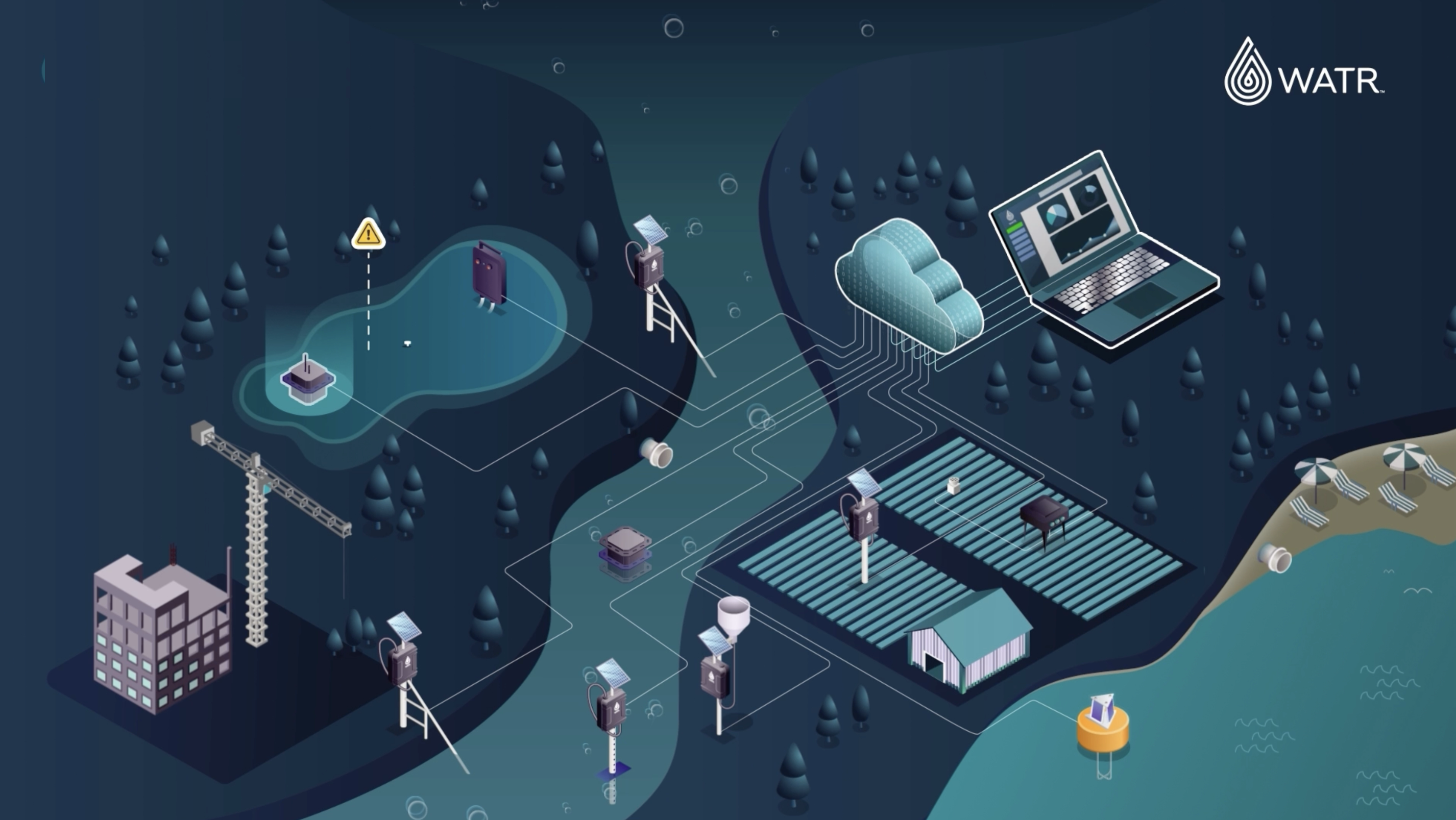
WATR monitoring systems can collect measurements as frequently as every 15 minutes, with data automatically transmitted to our WATR – PULSE dashboard.
The platform provides 24/7 access to water quality information, historical trends and configurable alerts, helping organisations manage multiple monitoring locations from one place.
Supporting Section 82 compliance
Section 82 of the Environment Act 2021 introduces requirements for continuous water quality monitoring upstream and downstream of relevant wastewater discharges in England.
The five key parameters are dissolved oxygen, temperature, pH, turbidity and ammonia.
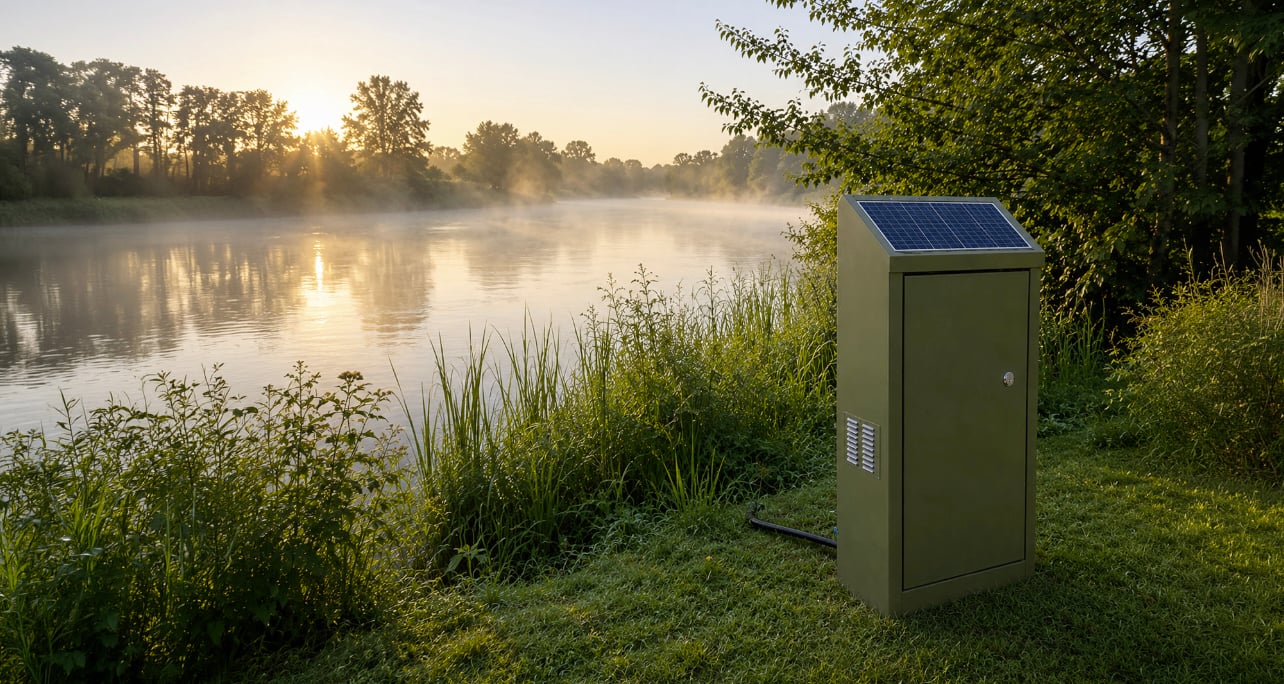
WATR provides Section 82 monitoring solutions designed around individual site requirements, including our Bankside and Pumped Kiosk systems.
Our approach covers more than supplying sensors. We support customers with site surveys, installation, connectivity, ongoing maintenance and access to reliable monitoring data.
This is particularly important for water companies managing multiple sites and working to meet their environmental monitoring and reporting obligations.
Real-world example: WATR and Anglian Water
WATR has worked with Anglian Water to monitor water quality across key river catchments supplying reservoirs.
At locations including the River Colne and Salary Brooks, continuous turbidity monitoring has helped identify changes in catchment conditions following rainfall.
The data has also helped establish links between turbidity events and increases in nitrate and pesticide concentrations, supporting more informed decisions about water abstraction and raw water management.
Gary Hodgetts, Catchment Advisor at Anglian Water, has highlighted the value of near-real-time turbidity information in providing early warnings of potential risks to raw water quality.
This demonstrates how continuous monitoring can deliver practical operational benefits while providing valuable information for environmental reporting.
Read the WATR and Anglian Water case study.
Better monitoring means better environmental decisions
Reliable environmental reporting depends on understanding how water quality changes over time.
Continuous monitoring complements traditional sampling by providing the information needed to identify pollution events earlier, investigate changing conditions and maintain more detailed environmental records.
At WATR, we combine flexible sensor technology, remote monitoring and WATR – PULSE to help water companies, environmental consultants and catchment managers make better-informed decisions.
Because water quality monitoring shouldn't simply be about collecting data. It should help organisations understand what's happening in the water and take action when it matters.
Frequently asked questions
What is real-time water quality monitoring?
Real-time water quality monitoring uses sensors to measure parameters such as dissolved oxygen, pH, temperature, turbidity and ammonia at regular intervals, with data transmitted automatically to a monitoring platform.
Can continuous monitoring replace manual water sampling?
Continuous monitoring complements manual sampling and laboratory analysis. It provides more frequent measurements and can identify changes that might otherwise be missed between site visits.
How can real-time monitoring support Section 82?
Real-time monitoring provides regular water quality measurements, historical records and alerts that help sewerage undertakers meet applicable monitoring obligations. Suitable equipment, maintenance and data quality procedures remain essential.
Talk to WATR
Looking to improve your water quality monitoring or develop a Section 82 programme?
WATR provides complete monitoring solutions, from initial site surveys and installation through to ongoing maintenance and access to real-time environmental data.
Explore WATR's monitoring solutions or contact our team to discuss your requirements.
Related posts


Get in touch
WATR has been designed to improve water quality around the world by providing an easy, accurate and a reliable way of monitoring water conditions, if you have any enquiries or questions please get in touch. Send us your specific requirements and we will get back to you as soon as possible.